Frequent Pond Liner Questions Answered by Experts
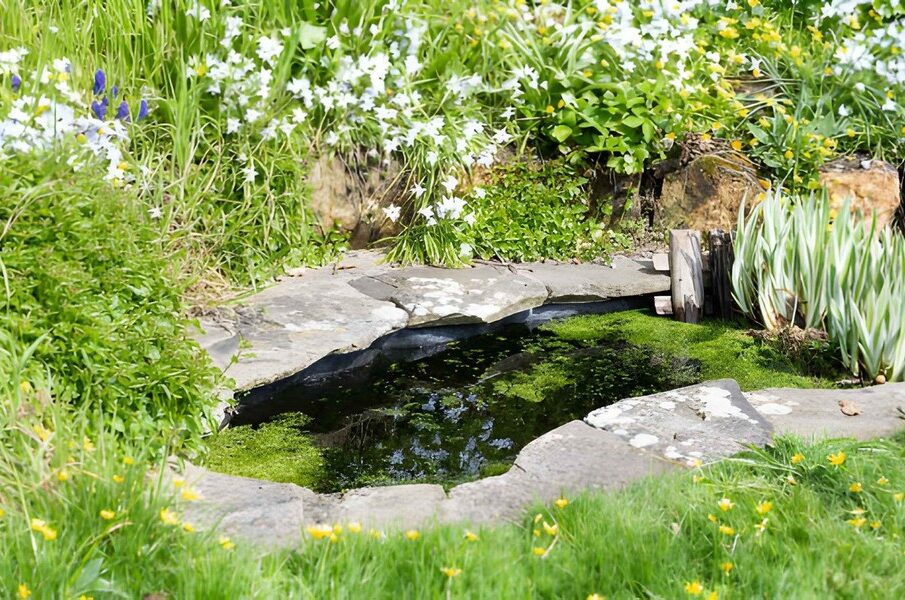
Building a pond seems simple: just dig, line, fill, and done. But it quickly gets confusing. Questions about liner type, lifespan, and potential issues start piling up. Honestly, asking the right questions early can save you from a lot of frustration later on.
When you speak with a pond fibreglassing specialist, the perspective often changes a bit. Experts like That Pond Guy explain that traditional liners, although widely used, can develop folds, weak seams, and small leaks over time. Fibreglass, in contrast, forms a smooth, solid surface that is more durable and requires less maintenance. It is not about being perfect; it is about choosing what actually fits your pond and long-term needs best.
What Does a Pond Liner Actually Do?
It sounds obvious, but it matters. A pond liner keeps water from seeping into the soil and blocks unwanted substances. Simple role, really, but without it, your pond would not function at all.
Which Type of Liner Should You Go For?
There are several options, and each comes with its own pros and limitations:
- EPDM liners – Flexible, long-lasting, and great for ponds with unusual shapes
- PVC liners – More affordable, but not as durable over the long term
- HDPE or RPE liners – Strong and resistant to punctures, though slightly less flexible
- Natural clay liners – A more traditional option, but not always practical for every setup
There is no single “best” choice. It really depends on your budget, pond design, and how much maintenance you are comfortable with.
How Do You Get the Size Right?
You cannot just measure length and width and call it a day. You need to factor in:
- The depth of the pond (and double it)
- Extra material for edges and overlap
- A bit of allowance for shaping and folds
Miss any of these, and you might end up with a liner that does not quite fit, which is as frustrating as it sounds.
Is Underlay Really Necessary?
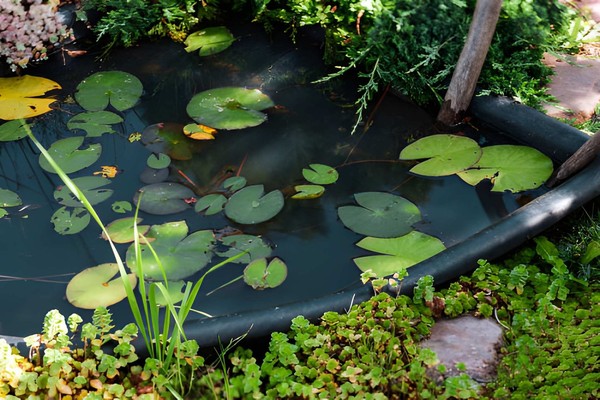
A lot of people wonder this, and some skip it. Not always a great idea. Underlay acts like a protective cushion beneath the liner.
It helps by:
- Preventing punctures from stones or debris
- Reducing pressure on certain areas
- Extending the life of the liner overall
It is one of those small additions that can make a big difference over time.
What Problems Should You Expect?
Some of the more common ones include:
- Small leaks develop over time
- Punctures from roots or sharp objects
- Wrinkles that trap dirt and affect water quality
- UV exposure makes the liner brittle
The tricky part is that most of these don’t show up immediately. They build slowly. Quietly. Until one day you notice something is not quite right.
Final Thoughts
Pond liners are not too complicated, but they are not foolproof either. A little planning helps. In the end, it is about building a pond that lasts, one that does not need constant fixes and lets you relax without stressing over small drops in water level.Top of Form