
How an Online Trading App Works for First-Time Investors
1st Feb 2026
Entering the financial markets for the first time can feel complex, especially when terms like orders, charts, and settlement cycles are unfamiliar. Over the past decade, technology has simplified this process significantly. Today, mobile-based investing platforms allow individuals to participate in the stock market without relying on physical paperwork or manual intervention. Understanding how these platforms function is essential for anyone starting their investment journey.
This article explains how trading applications work, from account setup to order execution, in a step-by-step and easy-to-understand manner.
Understanding the Basics of Online Trading
Online trading refers to buying and selling financial instruments such as shares, mutual funds, and derivatives using internet-based platforms. Instead of contacting a broker or visiting a branch, investors can place trades directly through an app or website. These platforms act as an interface between the investor, the stock exchange, and the clearing system.
For first-time investors, the key advantage is control. You can view prices, place orders, and track investments independently, while the platform handles the technical execution in the background.
Account Setup and Verification
Before placing any trade, users must complete an account opening process. This typically involves:
- Registering with basic personal details
- Completing identity verification (KYC)
- Linking a bank account
- Activating a demat account for holding securities
Once verification is complete, the account is enabled for trading. This process is usually digital and can be completed within a short time frame, making market access easier than traditional offline methods.
How Orders Are Placed and Executed
After logging in, users can search for stocks or other instruments using company names or symbols. When placing a trade, the investor selects:
- Buy or sell
- Quantity
- Order type (market or limit)
- Price (if applicable)
Once confirmed, the order is sent to the stock exchange through the broker’s system. If a matching buyer or seller is available at the specified price, the trade is executed. This entire process happens within seconds on a well-functioning Online Trading App, giving users near real-time execution visibility.
Viewing Prices and Market Information
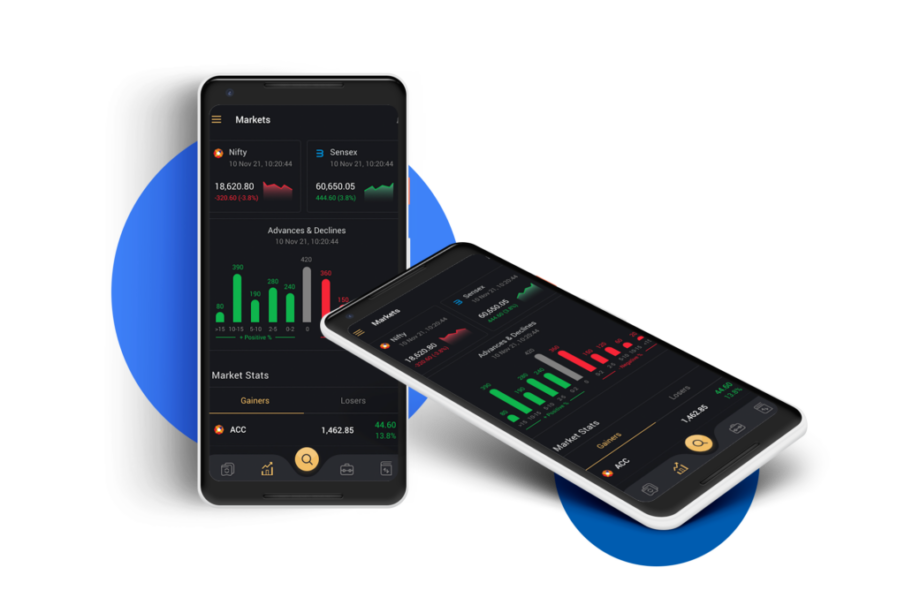
Trading platforms provide access to live or near-live price data, historical charts, and basic market indicators. These tools help investors understand price movements and trends before placing a trade. While advanced analysis tools exist, beginners can start by monitoring simple price changes, daily highs and lows, and volumes.
This transparency allows investors to make informed decisions instead of relying solely on external advice.
Settlement and Holding of Securities
Once a trade is executed, it goes through a settlement cycle regulated by the exchange. Shares purchased are credited to the demat account, while funds from sales are transferred to the linked bank account. The investor does not need to take any additional action during this process.
The app automatically reflects updated holdings and balances, ensuring clarity around ownership and available funds.
Tracking Portfolio Performance
One of the most useful features for beginners is portfolio tracking. Investors can view:
- Total invested value
- Current market value
- Gains or losses
- Asset-wise allocation
This consolidated view helps users understand how their investments are performing over time. It also encourages disciplined investing by making performance data easily accessible.
Security and Compliance
Modern trading platforms follow strict security and regulatory guidelines. Features such as two-factor authentication, encrypted data, and session controls are commonly used to protect user accounts. Regulatory oversight ensures that trades, settlements, and data handling follow established standards.
For first-time investors, this reduces risk and builds confidence in using digital platforms.
Why Trading Apps Suit New Investors
Trading applications are designed to reduce complexity. Clear navigation, simplified order screens, and easy access to information make them suitable for beginners. Investors can start with small amounts, learn gradually, and gain confidence as they become familiar with market behaviour.
The ability to monitor investments at any time also helps users stay engaged without being overwhelmed.
Conclusion
Online trading platforms have transformed how individuals access financial markets. By digitising account setup, order placement, settlement, and portfolio tracking, they have removed many traditional barriers to investing. For first-time investors, understanding how these platforms work is the first step toward informed participation in the markets through a reliable Trading App.
FAQs
1. What is an online trading app used for?
An online trading app allows investors to buy, sell, and track stocks and other financial instruments digitally without manual broker intervention.
2. Do first-time investors need a demat account to use a trading app?
Yes, a demat account is required to hold shares electronically, and it is usually created during the app’s account setup process.
3. How are buy and sell orders executed on a trading app?
Orders placed through the app are sent to the stock exchange via the broker, where they are executed when a matching price is available.
4. Is it safe to use an online trading app for investing?
Yes, regulated trading apps use security features like encryption and two-factor authentication to protect user data and transactions.
5. Can beginners track their investments easily on a trading app?
Yes, trading apps provide a consolidated portfolio view showing holdings, value, and gains or losses, making tracking simple for new investors.