
What specifications matter for hydraulic cylinder vane pumps?
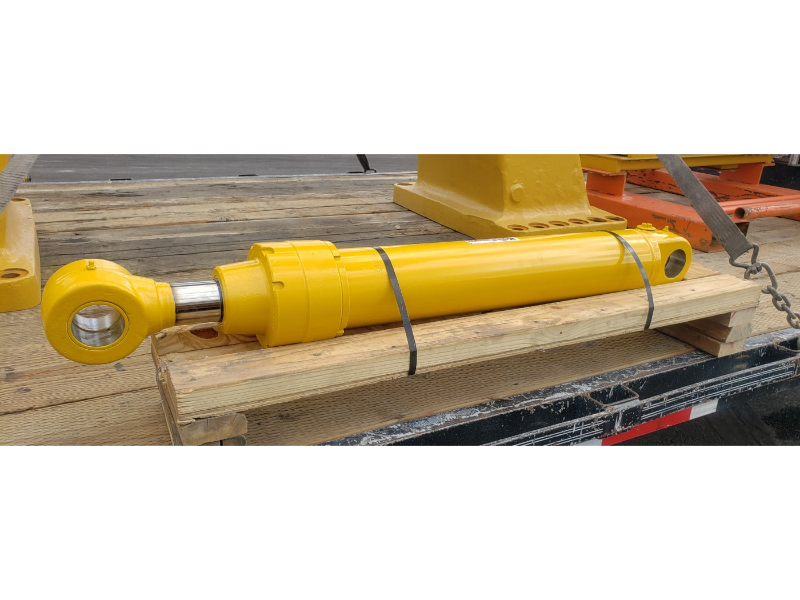
Vane hydraulic pumps are subject to specific standards that determine how well they perform and how long they last. Vanes move inside the chamber and form pressure differences to convert mechanical motion into hydraulic force. The choice of a pump must consider more than basic capacity. It also depends on heat resistance, the strength of materials, and exact measurements. Technical notes from northernhydraulics.net explain the design points that show the gap between an ordinary pump and a high-quality one. If these standards are not followed, early failure and long shutdowns can occur in any system.
Flow rate considerations
Flow capacity is determined by volumetric displacement per revolution. Based on cartridge size and rotational speed, standard vane pumps deliver 5 to 80 GPM. Fixed displacement models maintain consistent flow regardless of pressure variations up to their maximum rating. Flow efficiency drops as internal clearances wear over time. 92 to 95 percent volumetric efficiency is achieved by new pumps, but degradation occurs after 5000 hours. Viscosity changes affect flow rates dramatically. Fluids below 50 SSU leak excessively, while oils above 1000 SSU create flow restrictions that starve downstream components.
Material construction standards
Pump bodies made from ductile iron can withstand pressures under 1500 PSI. Those applications requiring higher pressures need cast steel housings rated at 65000 PSI. Vane materials range from carbon-impregnated phenolic resins to hardened tool steel, depending on fluid compatibility and duty cycles. Cartridge kits incorporate cam rings manufactured from hardened alloy steel rated at Rockwell C 58 to 62. Softer materials wear rapidly under high-speed operation or contaminated fluid conditions. Rotor shafts need through-hardening rather than case-hardening to prevent subsurface fatigue failures. Bronze wear plates separating rotating elements from housing faces must maintain flatness within 0.0005 inches across their surface.
Operating temperature ranges
Ambient temperature limits decide how seal materials and hydraulic fluids perform. Standard Buna N seals operate from minus 20°F to 225°F. Viton seals work up to 400°F for systems that run in high heat. When fluid temperature rises beyond 180°F, oxidation becomes faster. Lubricating ability also starts to drop as heat increases. Cold starts below 40°F need preheated oil or synthetic fluids that are easy to pump. Fluids with a viscosity index higher than 150 reduce thickening during cold operation. Temperature shifts cause metals to expand and contract. A change of 100°F can alter clearance by about 0.002 inches. This difference changes leakage levels and affects volumetric efficiency during operation across different temperatures.
Mounting dimension accuracy
The shaft centerline height must align within 0.010 inches of the motor or drive coupling to prevent bearing side loads. Bolt hole patterns follow SAE J744 standards for two-bolt and four-bolt configurations. Mounting flanges require a flatness tolerance of 0.002 inches total indicator reading to prevent case distortion during installation. Port thread specifications follow SAE straight thread O-ring boss standards rather than tapered pipe threads. Straight threads eliminate galling problems and provide repeatable sealing with 1500 PSI working pressure. Port size must match system plumbing to avoid flow restrictions that cause cavitation damage.
Vane pump specifications include pressure ratings, flow capacities, material grades, temperature ranges, seal types, and mounting dimensions. Under actual operating conditions, each parameter affects pump reliability and service life. Matching these specifications to application requirements prevents failures and reduces maintenance costs across hydraulic systems.