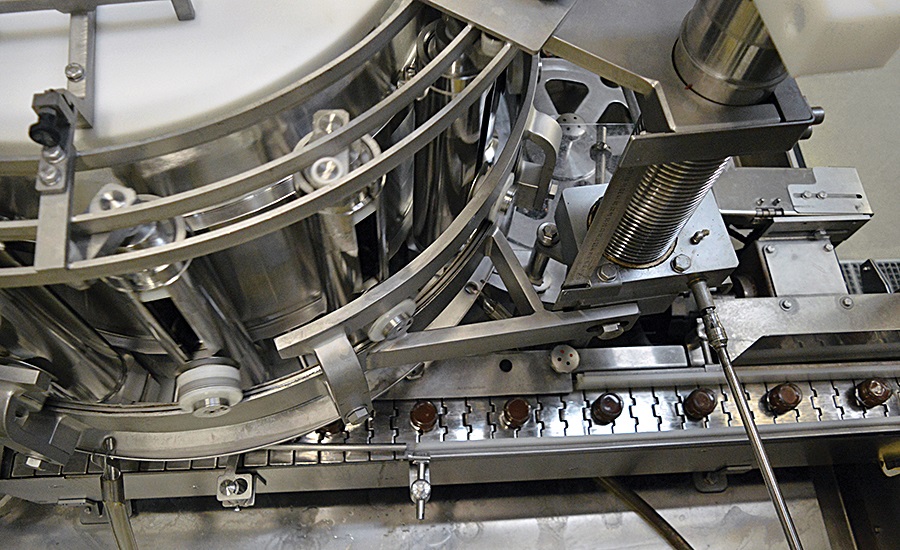
Why Misusing Fluid Dispensers Could Sabotage Your Production

Many production teams underestimate how much their dispensing systems influence overall output. It’s easy to assume that as long as a device releases liquid, the process will run smoothly. Yet that belief quietly undermines precision and reliability. The truth is, fluid dispensers determine how materials flow, cure, and bond during manufacturing. Even the smallest misstep in setup or selection can ripple through the entire line, affecting efficiency and product consistency.
The Myth of “Any Dispenser Will Do”
There’s a widespread belief in manufacturing circles that all fluid dispensers perform the same job. It seems logical at first glance: if a device releases liquid, it should get the task done, right? Yet this mindset quietly erodes efficiency and precision over time.
The role of fluid dispensers in automated systems is far more nuanced than simply releasing a product. The rate, pressure, and method of delivery determine how consistent your output will be. Using the wrong dispenser type for your material’s viscosity or temperature can lead to leaks, clogs, or uneven coatings, small issues that accumulate into costly waste.
Choosing a dispenser designed specifically for your fluid and workflow creates uniformity. Whether it’s adhesives, lubricants, or sealants, consistent flow ensures stable production. The goal isn’t to buy a device and hope for the best, but to match each dispenser’s mechanism with your material’s behaviour.
Skipping Calibration and Maintenance
Some operators assume that once a system works, it will continue working without intervention. That assumption can ruin even the most well-built dispensing line. Machines rely on small calibrations to keep accuracy in check, particularly with components like dispense valves, which regulate pressure and timing.
A slightly worn valve or poorly adjusted nozzle may not seem like a big deal, but it affects dosage precision. If a few grams of adhesive go missing from each application, the final product may lose integrity, especially in electronics or automotive manufacturing, where uniformity is everything.
Establishing a maintenance schedule isn’t just about checking for leaks. It means recalibrating valves, testing pressure consistency, and cleaning any dried material from the system. A few minutes of upkeep could save days of production rework.
Ignoring Material Compatibility
A frequent mistake occurs when engineers focus on system speed rather than material compatibility. Fluids behave differently under pressure, and the chemistry of one material can corrode or clog components made for another. It’s tempting to reuse existing fluid dispensers for a new product, but the internal materials, like seals, tips, and housing, might not withstand certain solvents or resins.
Compatibility issues extend to dispense valves, too. Certain types handle high-viscosity fluids beautifully, while others are meant for thin, quick-flowing materials. Using the wrong configuration can result in air bubbles, backflow, or residue build-up inside the nozzle.
Before integrating new materials into production, verify their chemical interaction with your dispensing system. Testing early can reveal whether your dispenser setup needs different fittings, coatings, or valve models. It’s a small upfront step that prevents downtime later.
Relying Solely on Manual Adjustments
Another pitfall lies in overconfidence with manual control. Some technicians prefer to “feel” their way through pressure settings rather than rely on automated calibration. While experience helps, it doesn’t replace data. Modern fluid dispensers offer programmable control systems that maintain consistency across multiple shifts, compensating for temperature or humidity changes.
Manual tweaking may seem efficient at the moment, but it introduces human error and inconsistency across batches. Automated settings, paired with sensor feedback, keep flow and timing steady. This balance between operator insight and digital precision creates repeatable results, especially for production lines handling fine materials or micro-volumes.
Automation isn’t about replacing skill but about amplifying it with data-backed accuracy.
Treating Dispensing as a Minor Step
The final misconception is perhaps the most damaging: viewing dispensing as a secondary process. It’s easy to prioritise design, assembly, or packaging while seeing dispensing as a routine operation. In truth, this stage directly affects product reliability and appearance.
A single misalignment in a dispenser or valve can cause incomplete bonding or uneven sealing. Over time, this impacts customer satisfaction, warranty claims, and brand reputation. Giving the dispensing phase the same technical attention as assembly ensures better results from start to finish.
By recognising the complexity of dispense valves and fluid dispensers, teams can fine-tune production flow and uphold quality standards with fewer interruptions.
The smallest misconceptions can derail even the most efficient production line. Treating fluid dispensing as a simple task, neglecting valve maintenance, or assuming compatibility can cause serious inefficiencies. The right fluid dispensers and properly maintained dispense valves play a central role in accuracy, cost control, and long-term reliability.
Understanding how each element fits into your production process helps maintain stability and prevents recurring errors.
Contact Unicontrols to optimise your dispensing system and ensure consistent performance across every stage of production.