Why do automotive manufacturers rely on CNC turning services for critical parts?
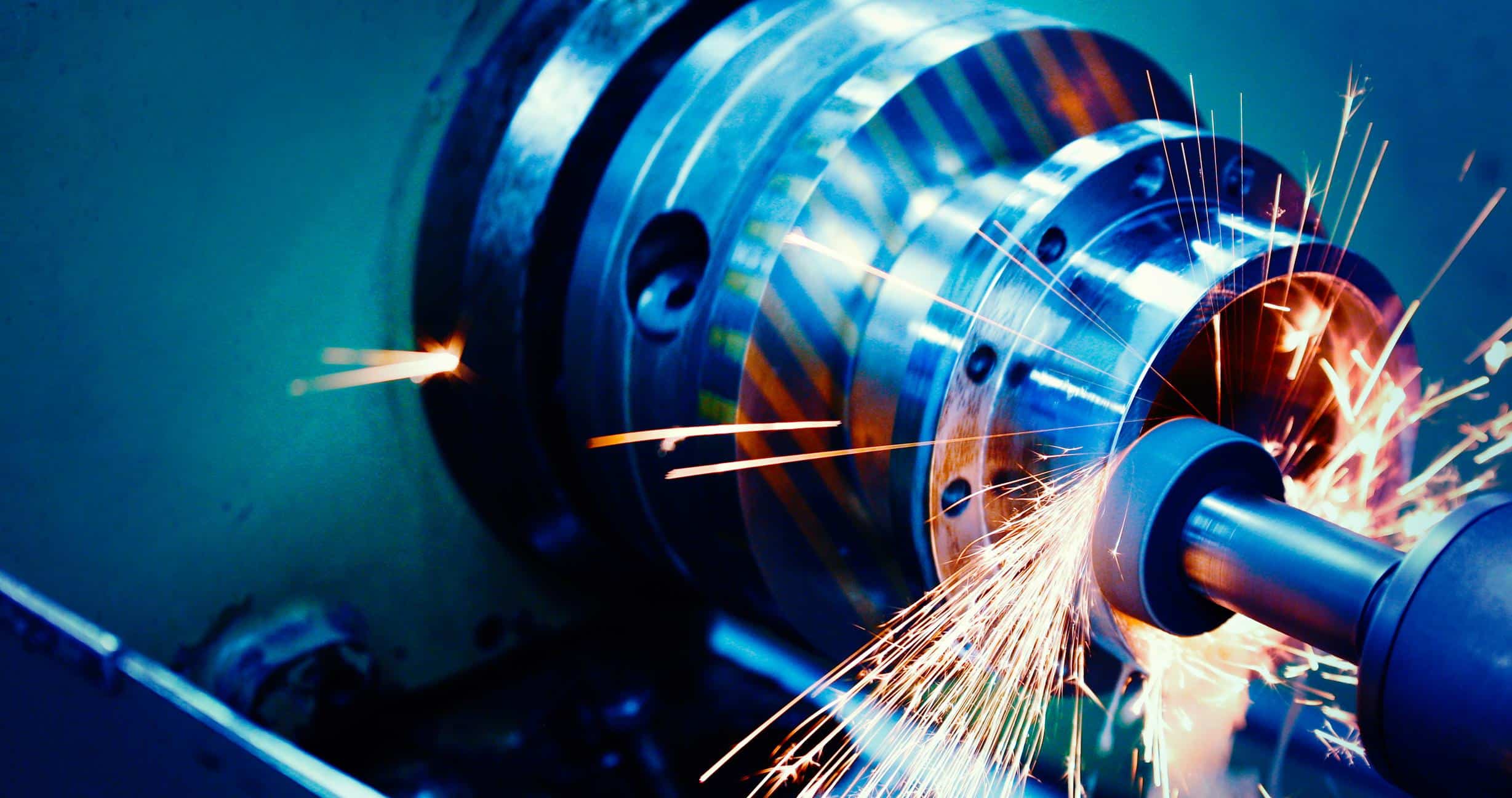
Automotive component production demands exceptional precision for safety-critical systems that protect vehicle occupants and ensure reliable operation. It produces dimensional accuracy and surface finish for engine components, transmission systems, brake assemblies, and steering mechanisms. CNC turning services support the efficient production of round parts often required during iterative development cycles.
Engine component demands
- Crankshafts, camshafts, and connecting rods require precise cylindrical geometries that CNC turning produces efficiently. These rotating components operate at high speeds with minimal clearances, making dimensional accuracy critical for engine performance and longevity. Journal diameters must maintain tolerances within 0.0001 inches to ensure proper bearing fit and oil film thickness.
- Surface finish requirements on engine components prevent premature wear and oil leakage. CNC turning creates smooth surface textures that support hydrodynamic lubrication while minimizing friction losses. The controlled cutting process eliminates tool marks and surface irregularities that could initiate fatigue cracks under cyclic loading conditions.
- Material removal capabilities allow CNC to machine hardened steels and specialized alloys used in high-performance engines. Forged blanks require substantial material removal to achieve final dimensions while maintaining metallurgical properties established during the forging process.
Transmission shaft requirements
Input shafts, output shafts, and gear blanks demand consistent concentricity and straightness that CNC turning provides. These components transmit substantial torque loads while rotating at varying speeds, requiring perfect balance and alignment to prevent vibration and noise.
- Spline cutting operations create precise tooth profiles for secure coupling connections
- Journal machining establishes bearing surfaces with exact diameter and surface finish specifications
- Shoulder dimensions provide precise axial positioning for gear assemblies and bearing races
- Thread cutting produces accurate fastener connections for component assembly
After hardening processes, heat treatment distortion correction becomes possible through finish-turning operations that restore dimensional accuracy. This capability enables manufacturers to use optimal heat treatment cycles without compromising final part specifications.
Safety system parts
Brake rotors, drums, and steering components require CNC turning to achieve the precision necessary for vehicle safety systems. To ensure consistent performance under emergency conditions, these parts must meet stringent dimensional tolerances and surface finish requirements. Brake rotor machining creates precise friction surfaces that ensure even pad contact and heat dissipation. The turning process produces consistent thickness variations and surface roughness parameters that optimize braking performance while minimizing noise and vibration. CNC turning produces steering components, like tie rod ends, ball joints, and steering shafts. These components experience complex loading conditions and must maintain tight tolerances to ensure a responsive steering feel and directional stability.
Fuel system precision
Fuel injector components and fuel pump assemblies require micro-precision that CNC turning delivers through specialized tooling and control systems. These parts handle high-pressure fuel delivery with tight clearances that prevent leakage while maintaining optimal flow characteristics.
Injection nozzle production involves turning operations on hardened stainless steels and specialized alloys that resist corrosion and wear. The precision required for spray pattern control demands surface finishes below 8 microinches and dimensional tolerances measured in tenths of thousandths.
- Fuel rail fittings require precise thread forms and sealing surfaces for leak-proof connections
- Pressure regulator components need exact clearances for proper flow control
- Filter housing assemblies demand smooth internal surfaces to minimize pressure drops
- Pump shaft components require precise bearing surfaces for long service life
High-pressure fuel systems operate at pressures exceeding 2,000 PSI, making component precision essential for safety and performance. CNC turning is the cornerstone manufacturing process for automotive safety and performance components, where dimensional precision directly impacts vehicle reliability and occupant protection. Automotive engineers can create components using this machining capability to meet industry-specific specifications.