Understanding FD for Stable and Predictable Returns
10 Feb 2026
In the world of personal finance, individuals often look for investment avenues that offer stability, capital protection, and predictable income. Among the most trusted options in India, an FD continues to hold a strong position. It is widely chosen by conservative investors, retirees, and even young professionals who prefer certainty over volatility. While market linked instruments fluctuate with economic conditions, this traditional savings instrument provides clarity about returns from the very beginning.
This article explains how it works, why it remains relevant, and how you can use it effectively within your financial planning strategy.
What Is an FD
A Fixed Deposit, commonly referred to as an FD, is a financial instrument offered by banks and financial institutions where you deposit a lump sum for a fixed tenure at a predetermined interest rate. Unlike a regular savings account, the interest rate remains unchanged for the chosen period. This ensures that the investor knows exactly how much will be earned at maturity.
The tenure can range from a few days to several years, allowing flexibility depending on financial goals. Once the amount is deposited, it earns interest at regular intervals. At the end of the selected duration, the principal along with accumulated interest is paid to the depositor.
How an FD Generates Returns
The return mechanism is simple and transparent. Interest is calculated either on a simple or compound basis depending on the institution and scheme selected. In most cases, compounding happens quarterly, which enhances the overall yield over time.
For example, if an individual invests a fixed sum for five years at a defined rate, the maturity amount is clearly known at the time of booking the deposit. This certainty makes it easier to plan expenses such as education fees, home renovation, or future travel.
Why Investors Prefer FD
Capital Protection
One of the biggest advantages of this instrument is principal safety. The deposited amount does not get impacted by stock market volatility or economic uncertainty. This makes it suitable for risk averse individuals.
Predictable Income
Since the interest rate is locked at the beginning, the return remains stable. There is no ambiguity regarding performance.
Flexible Tenure Options
Investors can choose a duration that aligns with their financial timeline. Short term and long term options are available.
Easy Liquidity
Although funds are locked for a fixed period, premature withdrawal is generally allowed with a small penalty. This provides a level of liquidity in emergencies.
Types of FD Available
Over time, financial institutions have introduced various variants to cater to different needs.
Regular Fixed Deposit
This is the standard version where a lump sum is invested for a selected tenure.
Tax Saving Deposit
Certain deposits qualify for tax benefits under applicable regulations, provided the amount remains locked for a specific duration.
Senior Citizen Deposit
Elderly investors often receive slightly higher interest rates compared to regular customers.
Cumulative and Non Cumulative Options
In cumulative plans, interest is compounded and paid at maturity. In non cumulative plans, interest is paid periodically such as monthly or quarterly, making it useful for those seeking regular income.
Factors That Influence FD Interest Rates
Although returns are fixed once the deposit is created, rates vary across institutions and time periods. Key factors include:
- Central bank monetary policy
- Overall liquidity in the banking system
- Demand for credit
- Economic conditions
Interest rates may rise during inflationary periods and fall when liquidity is abundant.
Comparing FD With Other Investment Options
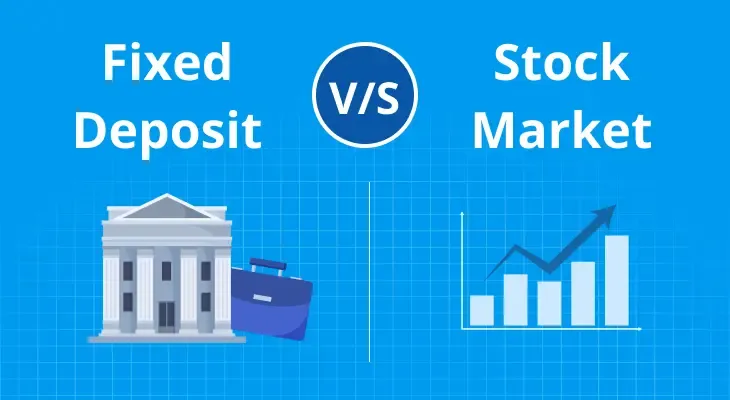
When compared with equity or mutual funds, this instrument offers lower returns but significantly lower risk. Stocks and market linked products have the potential for higher growth, yet they come with volatility.
For individuals seeking wealth accumulation with moderate to high risk appetite, equities may suit better. However, for those prioritizing preservation of capital, an FD remains a dependable choice.
Taxation on FD Returns
Interest earned is generally taxable as per the investor’s income slab. Financial institutions may deduct tax at source if interest exceeds the prescribed threshold. It is important to factor taxation while calculating effective returns.
Some investors spread deposits across financial years or institutions to manage tax liability more efficiently. Consulting a financial advisor can help optimize strategy.
When Should You Choose an FD
This instrument works well in several scenarios:
- Building an emergency fund
- Parking surplus funds temporarily
- Planning for short term financial goals
- Ensuring steady post retirement income
- Diversifying a portfolio
It can act as the stable component within a broader investment strategy.
Risks Associated With FD
Although considered safe, there are minor considerations:
Inflation Risk
If inflation exceeds the interest rate, the real return becomes lower. Over long periods, purchasing power may reduce.
Premature Withdrawal Penalty
Breaking the deposit before maturity can result in reduced interest earnings.
Interest Rate Risk
If rates rise after booking a deposit, new investors may receive higher returns while existing deposits remain locked at lower rates.
Despite these aspects, the overall risk profile remains low compared to market driven instruments.
Smart Strategies for Using FD
To make the most of this option, investors can adopt certain approaches:
Laddering Strategy
Instead of investing the entire amount in a single tenure, divide it into multiple deposits with staggered maturity dates. This ensures periodic liquidity and flexibility to reinvest at prevailing rates.
Reinvestment Approach
On maturity, interest and principal can be reinvested to benefit from compounding over the long term.
Combining With Other Assets
Using this instrument alongside equities, debt funds, or other investments helps maintain balance between growth and safety.
Digital Access and Ease of Management
Modern banking platforms allow investors to open and manage deposits online. The entire process, from booking to tracking maturity, can be completed digitally. This convenience has further strengthened its popularity among urban and semi urban customers.
Auto renewal features ensure continuity without manual intervention, while alerts and statements provide transparency.
Is FD Suitable for Young Investors
Young professionals often focus on growth oriented investments. However, allocating a portion of savings to an FD can help create financial discipline. It encourages structured saving and builds a habit of setting aside funds for defined purposes.
Additionally, it serves as a cushion during uncertain job markets or economic slowdowns.
Conclusion
In an investment landscape filled with complex products and fluctuating returns, the simplicity and reliability of an FD stand out. It offers clarity, stability, and ease of understanding. While it may not deliver aggressive growth, it plays an essential role in preserving wealth and providing predictable income.
A well balanced portfolio often includes both growth oriented and stable instruments. By thoughtfully integrating a Fixed Deposit into your financial plan, you can achieve peace of mind while progressing steadily toward your goals.