How rolling LED display ads support real estate developer campaigns
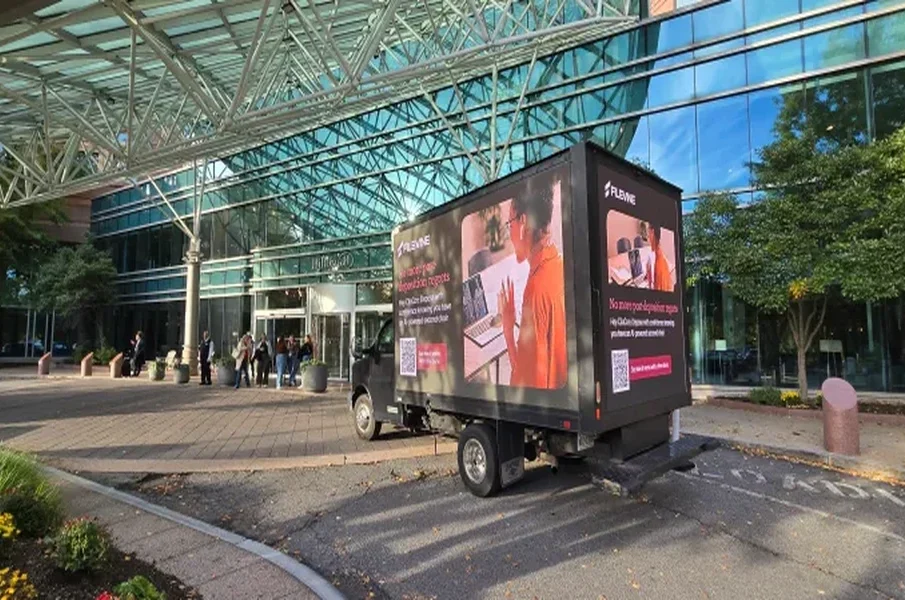
Real estate developer campaigns unfold in stages, moving from early site awareness through phased launches to final unit sales, and each stage calls for a different kind of visibility. As the campaign advances, rolling LED display ads adjust route, timing, and creative content instead of keeping messaging static near a project site. A billboard truck carries this adjustable presence past commuter corridors, residential access roads, and areas surrounding competing developments, giving developers a mobile format that follows the campaign itself instead of remaining static while buyer interest shifts around it.
Site awareness stage
Site awareness forms the foundation every developer campaign builds on before any phase-specific messaging can begin. Every campaign starts by establishing basic recognition that a project exists at a given location, and rolling LED units support this first stage by concentrating routes near the site, covering access roads and nearby commercial stretches that potential buyers pass during regular daily movement.
- Routes can circle the immediate site perimeter during early marketing weeks.
- Display timing can align with peak commuter hours near the location.
- Creative content at this stage typically introduces the project name and general positioning.
- Coverage can extend slightly toward neighbourhoods most likely to produce initial inquiries.
Specific campaign
Developers running a rolling LED campaign typically follow a defined sequence rather than a loose deployment schedule. This sequence allows a single display unit to serve multiple campaign functions across one extended project timeline, rather than requiring separate bookings for each stage.
- Step one – maps the site radius and identifies commuter roads, transit stops, and retail zones within reach of the project.
- Step two – schedules early routes around morning and evening commute windows, when passing traffic is highest near the site.
- Step three – introduces phase-specific creative once a block or unit type becomes available for sale.
- Step four – widens routes toward surrounding neighbourhoods and competing development zones once initial inquiries begin arriving.
- Step five – narrows coverage back to the immediate site ahead of scheduled open house dates.
- Step six – aligns display timing with confirmed visit hours to support same-day walk-in traffic.
Phase transition support
Phase transitions test whether a campaign can hold buyer attention while the underlying project message keeps changing. Projects with multiple phases present recurring challenges, since each new block or unit demands its own promotion without detracting from the momentum built earlier in the project. Unlike traditional display ads, rolling LED displays allow creative swaps directly on the existing route, so users can easily switch between phase-specific pricing and availability without having to install new units. Phase transitions of this kind keep the campaign format consistent even as the underlying message changes several times across a project’s sales cycle.
Rolling LED display ads move through a defined set of steps that mirror how real estate developer campaigns naturally progress, from initial site awareness to final conversion support. This structured alignment between display movement and campaign stage explains why the format remains a practical fit for development projects of varying scale and duration.