Enhancing Your Projects with Expert Sheet Metal Fabrication Services
The Art and Science of Sheet Metal Fabrication
Understanding the Basics: What is Sheet Metal Fabrication?
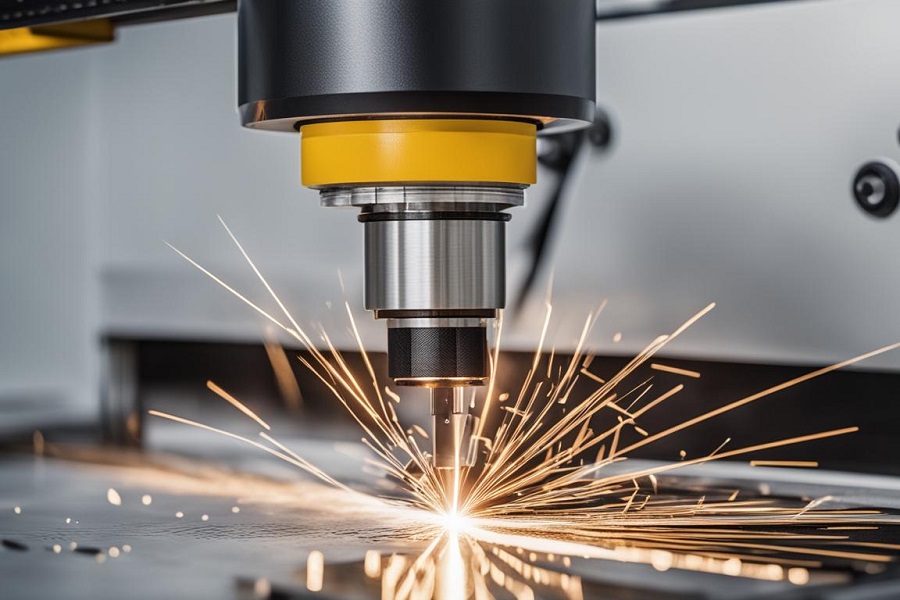
Sheet metal fabrication is a manufacturing process that involves transforming flat sheets of metal into various shapes and forms through cutting, bending, and assembling techniques. Traditionally, metals such as steel, aluminum, brass, and copper are utilized due to their durability, workability, and structural integrity. The process involves several core operations, including laser cutting, punching, welding, and finishing, which collectively allow for the creation of complex structures that meet both functional and aesthetic needs. This flexibility makes sheet metal a favorite in diverse applications, ranging from industrial machinery to decorative architectural elements, which is why Sheet Metal Fabrication Services are highly sought after across multiple industries.
Fundamentally, sheet metal fabrication combines rigorous engineering principles with skilled craftsmanship. The ability to manipulate material properties, understand metallurgical behavior, and apply precise machining principles is essential for creating high-quality products. The fabrication process begins with creating detailed blueprints based on specific requirements, which guide the entire workflow from material selection to the final assembly. As such, a profound understanding of various manufacturing techniques and their respective advantages and limitations is crucial for delivering effective and reliable Sheet Metal Fabrication Services.
Innovative Techniques: How Technology is Shaping Modern Fabrication
The landscape of sheet metal fabrication has undergone a significant transformation with the advent of advanced technologies. Over the past decade, innovations such as computer numerical control (CNC) machining, laser cutting, and water jet cutting have revolutionized the efficiency, precision, and flexibility of fabrication processes. CNC machines allow for automated control over machining tools, significantly reducing the risk of human error while enhancing production speed. Moreover, laser cutting provides clean edges and intricate designs that are often impossible to achieve through conventional cutting methods, making it a preferred choice for many projects.
Furthermore, digital fabrication techniques are emerging as game-changers in this field. Technologies such as 3D printing are being embraced for rapid prototyping and even mass production. This capability allows designers to test iterations quickly, optimizing designs before full-scale production. Additionally, software advancements in computer-aided design (CAD) facilitate seamless integration between design and manufacturing, resulting in more accurate outputs. With Industry 4.0 on the horizon, incorporating the Internet of Things (IoT) into fabrication processes brings a new level of connectivity and intelligence, allowing for real-time monitoring and predictive maintenance.
The Role of Design: Bringing Your Vision to Life
The design phase in sheet metal fabrication is pivotal in ensuring that your vision is brought to life with precision and creativity. Skilled designers leverage sophisticated CAD software to translate conceptual ideas into detailed drawings that outline specific dimensions, tolerances, and material properties. This dimensional accuracy is vital, as sheet metal components are often assembled with other parts that require tight tolerances to ensure functionality and aesthetic appeal. Failure to adhere to design specifications can lead to significant delays and costs during production.
Moreover, the collaboration between designers and fabricators throughout the design process enhances productivity and innovation. Input from fabricators can influence design decisions, ensuring that concepts are not only imaginative but also feasible from a manufacturing standpoint. Considerations such as material selection, the thickness of the metal, and bending radii come into play, as these can affect both the appearance and structural integrity of the final product. Engaging in iterative design practices, where prototypes and feedback loops are utilized, can lead to optimal outcomes, ultimately resulting in both functional and visually appealing products.
Choosing the Right Fabrication Partner
Assessing Expertise: What to Look for in a Fabrication Service
Selecting the right fabrication partner is a critical decision that can significantly impact the success of your project. Evaluating a company’s expertise involves assessing their experience within the industry, particularly in relation to the specific materials and techniques required for your project. A reputable sheet metal fabrication service should have a proven track record of working on similar projects and can provide case studies or references from previous clients. Their experience not only reflects their capability to navigate potential challenges that may arise during production but also indicates their familiarity with industry trends and innovations.
Additionally, certifications and quality assurance practices should influence your decision. Fabricators with certifications such as ISO 9001 or AS9100 indicate a commitment to quality management systems and continuous improvement processes. This rigorous quality oversight helps ensure that your products are manufactured to the highest standards, a necessity in fields such as aerospace or healthcare where precision is paramount. Inquiring about their quality control measures, inspection processes, and conformity to industry standards can provide deeper insights into the reliability of their services.
Evaluating Capabilities: Equipment and Techniques That Matter
Beyond expertise, a thorough evaluation of the equipment and technologies utilized by your prospective fabrication partner is essential. Modern sheet metal fabrication relies on advanced machinery capable of handling diverse materials and complex designs. Look for facilities equipped with cutting-edge machinery such as CNC plasma cutters, laser cutting systems, and advanced welding equipment that can accommodate both traditional and innovative metalworking techniques.
Additionally, ensure that the fabrication service has the capacity to handle large volumes while maintaining precision. Techniques such as automated bending and robotic welding can enhance productivity and reduce lead times, crucial factors for meeting tight project timelines. Understanding their production capabilities ensures that they can deliver on your specific needs, whether you require high-volume production runs or custom one-off pieces. Engaging in discussions regarding their technology stack and operational processes can provide clarity on how well they align with your project requirements.
Customer Service and Communication: The Unsung Heroes of Effective Collaboration
While technical proficiency is undoubtedly important, strong customer service and communication are often the overlooked pillars of a successful partnership in sheet metal fabrication. The ability to convey ideas, resolve issues quickly, and maintain transparency throughout the process can vastly improve project outcomes. Establishing an effective communication structure from the onset facilitates better collaboration, enabling teams to address any challenges that may arise promptly.
Assess the responsiveness of the fabrication service during the initial stages of engagement. Are they proactive in providing information? Do they seem invested in understanding your requirements and concerns? Clear communication fosters trust and ensures that all parties are aligned on project objectives, timelines, and budgets. Furthermore, make sure the fabricator offers a single point of contact for your project, which minimizes confusion and streamlines communication efforts. Efficient customer service should also extend beyond project completion; reliable partners often assist with support, maintenance, and modifications as needed.
Applications of Sheet Metal Fabrication in Various Industries
Aerospace and Automotive: Precision Engineering at Its Finest
The aerospace and automotive industries are two of the most demanding sectors in regards to precision engineering, where safety and performance are paramount. Sheet metal fabrication plays a critical role in producing components for everything from aircraft fuselages and wings to vehicle chassis and body panels. In aerospace, lightweight yet sturdy materials such as aluminum and titanium are favored to enhance fuel efficiency without compromising structural integrity.
In automotive manufacturing, sheet metal components are integral to both functionality and design. For instance, the use of advanced stamping techniques allows for the development of complex shapes that are not only lightweight but also aesthetically appealing. Innovative approaches such as hydroforming and press hardening enable the production of parts with high strength-to-weight ratios, meeting the evolving demands for electric vehicles and higher safety standards. The close collaboration between engineers and fabricators maximizes performance while ensuring that regulations and industry standards are diligently met.
Architecture and Construction: Building the Future with Metal
In architecture and construction, sheet metal fabrication is revolutionizing how structures are designed and built. It offers unparalleled versatility, allowing for intricate designs that can be integrated seamlessly into modern architectural projects. From cladding and roofing systems to custom structural supports, the use of sheet metal can enhance both functionality and aesthetics. Architects are increasingly employing metal in innovative ways, often combining it with other materials like glass or concrete to create striking visual contrasts.
Moreover, the demand for sustainable construction practices has led to the use of sheet metal in eco-friendly applications. For instance, metal facades can reflect solar energy, reducing heat absorption and decreasing energy costs in buildings. Understanding the advantages of various metal alloys and finishes allows architects to specify materials that meet both environmental standards and design aspirations. In this context, partnerships with skilled fabrication services become indispensable, as they can bring architects’ visions to life while adhering to the necessary construction codes and guidelines.
Consumer Products: From Concept to Creation
Sheet metal fabrication does not merely cater to industrial and architectural applications; it also plays an essential role in the consumer products sector. Items such as kitchen appliances, furniture components, and electronics housings often incorporate custom sheet metal components. Designing and fabricating consumer products requires a deep understanding of form, function, and user experience, and canned that follows rigorous quality assurance protocols to ensure safety and compliance with industry standards.
The transition from concept to creation in consumer products involves rapid prototyping, which allows designers to iterate on their ideas swiftly. Techniques such as laser cutting enable the production of precise prototypes that can be tested for fit and function before mass production begins. This agility in manufacturing helps businesses stay competitive by reducing time-to-market. Furthermore, collaboration between designers, engineers, and fabricators during the development phase ensures that products not only look appealing but perform effectively in real-world applications.
Trends and Innovations in Sheet Metal Fabrication
Sustainability in Fabrication: Eco-Friendly Practices that Matter
Sustainability has emerged as a pressing concern across all sectors, and sheet metal fabrication is no exception. Eco-friendly practices are being increasingly adopted within the industry, driven by both regulatory pressures and consumer demand for sustainable products. Fabricators are now prioritizing the use of recyclable materials and implementing waste reduction strategies that minimize their environmental footprint.
Innovations such as closed-loop manufacturing—where scrap metal and offcuts are reintegrated into the production process—are producing less waste and promoting resource efficiency. Additionally, advancements in energy-efficient machinery reduce the overall energy consumption of fabrication processes. Fabricators that invest in green technologies position themselves favorably in a market that increasingly values environmental responsibility, setting themselves apart through their commitment to sustainability.
The Future of Fabrication: 3D Printing and Hybrid Technologies
The fusion of traditional sheet metal fabrication with emerging technologies like 3D printing is catalyzing a paradigm shift towards more efficient and creative manufacturing solutions. Hybrid technologies combine additive and subtractive manufacturing processes, allowing fabricators to produce complex structures that were previously deemed impractical. For example, 3D printing can be used to create intricate internal geometries within sheet metal parts, optimizing material use while also enhancing performance.
As these technologies evolve, we can expect faster turnaround times and greater customization capabilities in production runs. This trend caters to the increasing consumer demand for personalized products and rapid prototyping requirements. The integration of machine learning algorithms into fabrication processes also holds promise for further streamlining production and enhancing quality control, potentially reducing costs for manufacturers while providing superior products to customers.
Tailored Solutions: Customization Trends in Sheet Metal Work
Customization is becoming a standard expectation among consumers and businesses alike, leading to an increased demand for tailored solutions in sheet metal fabrication. The ability to produce bespoke components that meet specific needs is not only enhancing product offerings but also creating unique market opportunities. Fabricators are employing modular design approaches, where standardized components can be combined in versatile ways to meet individual project specifications.
Moreover, advances in digital fabrication techniques enable clients to play an active role in the design process. By utilizing web-based tools and software platforms, customers can visualize and modify designs interactively before production begins. This shift towards customization not only enhances customer satisfaction but can also serve as a differentiator in a crowded market. Sheet metal fabricators who embrace this trend can build flexible systems that cater to ever-evolving demands, ensuring relevance and success in an increasingly competitive landscape.