Choosing the Right Diesel Tanks for Emergency Power Systems in Singapore – What to Know
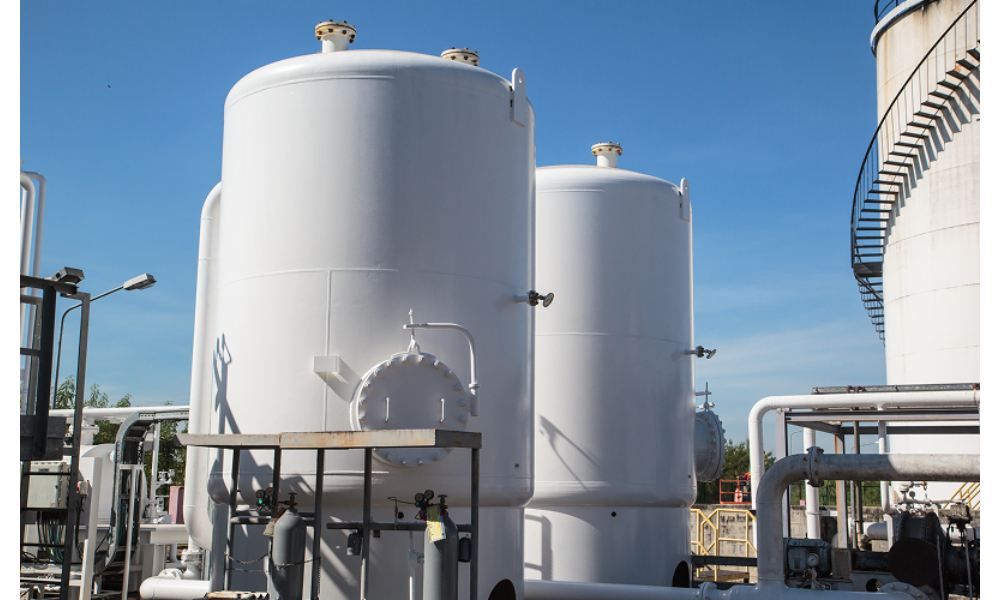
Emergency diesel systems serve as critical power sources during outages. Hospitals, data centres, and commercial facilities depend on reliable backup energy to keep essential operations running. Diesel tanks provide the fuel reserve these systems require, allowing generators to start immediately during a blackout.
Each emergency diesel setup operates efficiently only when paired with a properly designed tank. Storage capacity must align with the generator’s consumption rate, ensuring continuous operation for hours or even days. Singapore’s climate and humidity also influence fuel stability, making corrosion-resistant tanks and proper ventilation crucial. Regular fuel checks prevent microbial growth, water accumulation, and degradation, which could impair generator function.
Choosing the correct tank ensures consistent performance, reduces maintenance costs, and complies with local safety regulations. Durable tanks maintain fuel quality while preventing leaks or contamination. Facilities adopting well-designed tanks strengthen operational readiness during unforeseen power failures.
Evaluating Key Factors in Choosing Diesel Tanks
Selecting the right diesel tanks involves assessing material quality, design, and compliance. Steel tanks remain popular for strength and longevity, but fibreglass and polyethene alternatives resist corrosion better in humid environments. Double-walled constructions provide added protection against leaks, especially in sensitive or enclosed areas.
Capacity selection remains central. Oversized tanks lead to fuel stagnation, while smaller ones may not sustain prolonged outages. Estimating daily power demand helps determine optimal volume for emergency diesel storage. Tank placement also matters. Indoor tanks should integrate ventilation systems, while outdoor tanks must withstand direct sunlight and fluctuating temperatures.
Regulatory compliance in Singapore requires tanks to meet fire safety standards and environmental codes. Installing certified pressure relief valves, spill containment systems, and grounding connections safeguards against fire hazards. Routine inspection ensures fittings, hoses, and gauges remain intact and functional. A tank designed with proper access ports simplifies cleaning and fuel quality testing, ensuring the system’s reliability during emergencies.
Ensuring Fuel Quality and System Longevity
Fuel quality directly affects generator efficiency. Stale or contaminated diesel increases wear on injectors, filters, and pumps. Implementing a maintenance routine that includes regular draining, filtration, and monitoring extends system lifespan. Keeping diesel tanks clean and moisture-free reduces microbial growth known as diesel bug, which clogs lines and reduces combustion efficiency.
In tropical climates like Singapore, condensation poses recurring challenges. Installing breather filters and moisture absorbers keeps air exchange clean and dry, preserving fuel quality. Temperature control through insulated or shaded tanks prevents oxidation and degradation. Diesel stabilisers may also be used to maintain consistency over time.
Integrating tank monitoring systems improves oversight. Digital sensors track fuel levels, temperature, and potential leaks in real-time, allowing facility managers to respond quickly. Periodic testing and preventive measures sustain performance, ensuring the emergency diesel generator activates smoothly whenever required. Reliable storage ensures operational readiness during power interruptions, reducing downtime and mechanical strain.
Installation and Maintenance Considerations
Professional installation guarantees compliance with Singapore’s strict fire and environmental safety codes. Improper positioning or connection increases the risks of spills and inefficiency. Installers follow local regulations on tank distance from buildings, accessibility for refuelling, and containment barriers. Each setup undergoes pressure testing and leak verification before commissioning.
Maintenance plays a continuous role in performance. Regular inspections involve checking fittings, fuel levels, and safety devices. Cleaning schedules should follow manufacturer recommendations, using non-corrosive agents to preserve internal coating. Repainting external surfaces prevents rust and prolongs structural integrity.
Staff training remains essential. Operators handling diesel tanks must understand safety measures, proper refuelling procedures, and emergency response steps. Implementing a strict documentation system records every inspection, maintenance activity, and fuel delivery. Such discipline ensures accountability, compliance, and peace of mind during emergencies.
Well-maintained diesel tanks extend generator life, minimise fuel wastage, and safeguard facilities from power disruptions. A robust maintenance culture strengthens energy reliability across industrial and commercial sectors in Singapore.
Conclusion
Reliable emergency diesel systems depend on high-quality, well-maintained diesel tanks. Correct capacity planning, compliance with safety standards, and regular fuel management guarantee consistent performance during power outages. Facilities that invest in durable tanks not only meet regulatory expectations but also protect operational continuity in critical situations.
Contact Vegatron today for a trusted diesel supplier in Singapore providing reliable fuel solutions for emergency diesel systems and long-term power stability.