
How Warehousing Suppliers Enhance Flexibility for Seasonal Inventory Needs?
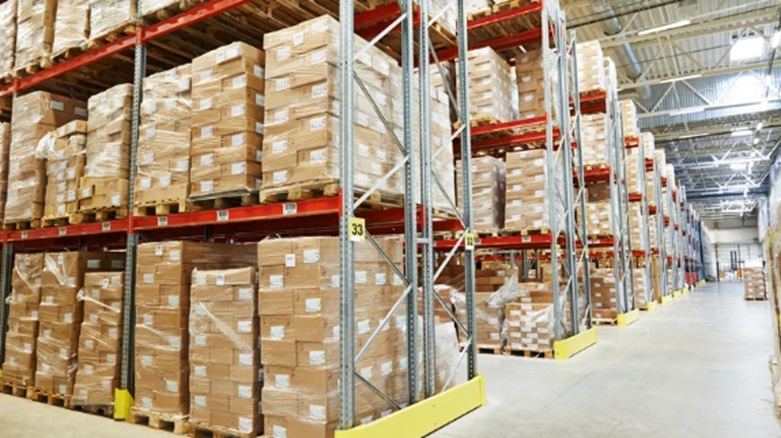
Seasonal changes and spikes in consumer demand require businesses to adapt quickly and manage inventory efficiently. Whether you’re preparing for the holiday shopping season or gearing up for a busy period in the American football market, having the right storage and logistics solutions is essential. Collaborating with a warehousing supplier can provide the flexibility needed to streamline operations and handle fluctuating inventory volumes seamlessly. Here’s how warehousing suppliers help businesses stay agile and prepared during seasonal peaks.
Adapting to Seasonal Demand
Seasonal demand is often unpredictable, requiring businesses to adjust their inventory strategies on short notice. Warehousing suppliers offer scalable spaces that enable businesses to expand or contract storage capacity according to seasonal needs. For example, a retailer preparing for increased demand during the American football playoffs can secure temporary warehousing space to accommodate a surge in merchandise, ensuring sufficient supply without overcommitting to permanent facilities.
By utilizing warehouse storage only when necessary, businesses avoid the financial burden of overstocking during off-seasons. This flexibility ensures that inventory levels remain balanced and operations stay cost-effective.
Improving Operational Efficiency
A key advantage of working with warehousing suppliers is the operational efficiency they bring to supply chain management. Many suppliers offer technology-driven solutions for inventory tracking, streamlining the process of receiving, storing, and shipping products. This level of organization is especially crucial during high-pressure seasons, when distribution speed can significantly impact profitability.
Experienced warehousing providers understand the logistical challenges that come with seasonal spikes. They can handle tasks such as sorting, labeling, and fulfilling orders efficiently, ensuring your operation runs smoothly during peak periods.
Enhancing Supply Chain Flexibility
Flexibility in the supply chain is crucial for navigating seasonal changes without disruption. Warehousing suppliers often have facilities located near key markets, which reduces delivery lead times and improves customer satisfaction. For example, businesses can use strategically placed warehouses to ensure the timely delivery of American football gear to regional retailers or customers.
Through consolidation warehousing, businesses can combine shipments from multiple sources into a single delivery, enhancing efficiency. For more about how this approach benefits businesses, explore understanding the benefits of consolidation warehousing for your supply chain. This strategy reduces shipping costs and minimizes the environmental impact of frequent deliveries.
Supporting Cost-Effective Seasonal Operations
Seasonal inventory management often comes with the challenge of maintaining cost efficiency while meeting increased demand. Instead of investing in permanent storage facilities, businesses can rely on warehousing suppliers for flexible and cost-effective storage solutions. This reduces overhead expenses, particularly for smaller operations or seasonal businesses.
Warehousing suppliers provide staffing as part of their services, meaning businesses won’t need to hire additional workers for temporary seasonal demand. This saves time, money, and resources while ensuring all operational needs are met.
Maintaining Product Quality
Quality control is non-negotiable when managing seasonal inventory, and warehousing suppliers play a vital role in maintaining standards. Many suppliers offer temperature-controlled environments to ensure products remain in optimal condition. For industries dealing with perishable goods, this feature is invaluable during seasonal peaks.
Warehousing facilities often incorporate advanced security measures to safeguard inventory from theft, damage, or loss, providing businesses with peace of mind during peak periods.
Read more: Warehousing vs Distribution Centers: Key Differences for Gainesville Businesses
Conclusion
By partnering with a trusted warehousing supplier, businesses gain the flexibility, efficiency, and scalability necessary to effectively handle seasonal inventory challenges. From reducing overhead costs to streamlining supply chain operations, these solutions are a powerful resource for any enterprise navigating demand fluctuations. Whether preparing for a major sales season or managing a busy period in American football equipment retailing, warehousing suppliers make it easier to adapt and thrive.