Streamlining Household Gas Payments With A Gas Bill Payment App
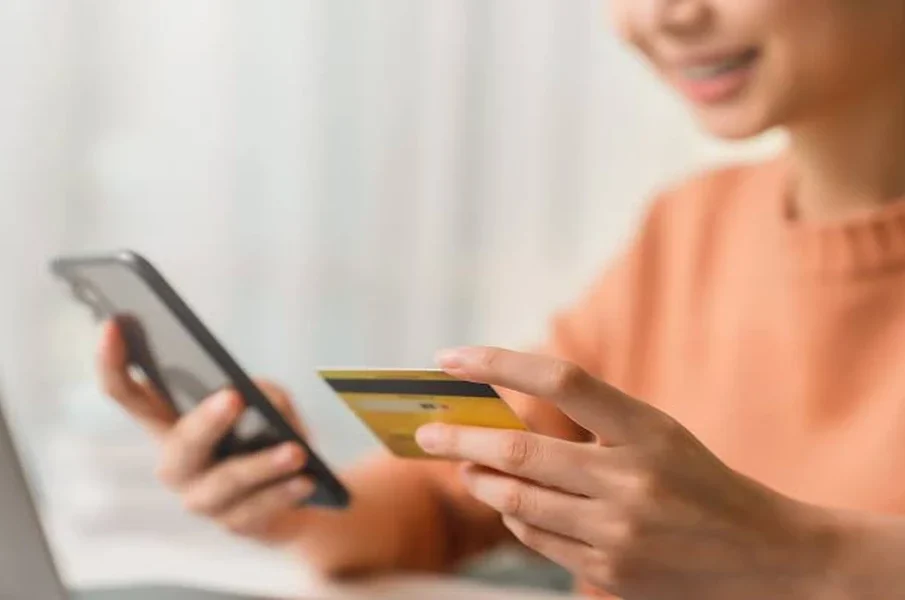
A gas bill payment app can help users manage recurring household gas payments through a digital interface. Instead of visiting a physical payment centre or switching between multiple service websites, users may be able to enter a customer number, review the payable amount, complete the transaction, and maintain a digital record of previous payments.
The strongest payment experience should do more than reduce the number of steps. It should make biller information, due dates, transaction status, payment history, and support options easy to understand. Users should also verify account details carefully before authorising payment, particularly when managing more than one household connection.
Biller Information Should Be Verified Before Payment
The first priority is confirming that the correct gas connection has been selected.
Useful information may include:
- Customer or consumer number
- Service provider
- Registered mobile number
- Billing account
- Location where applicable
Saved billers can reduce repeated data entry.
However, users should still review the final details before confirming a transaction.
Current Bill Amounts Should Be Checked Every Time
Gas bills may not remain identical from one billing cycle to another.
The payable amount can vary because of:
- Consumption
- Tariff changes
- Previous adjustments
- Applicable charges
- Outstanding balances
Users should therefore avoid simply repeating the previous month’s amount.
The latest bill should be reviewed before payment.
Due-Date Alerts Can Support Better Bill Management
Recurring expenses can become difficult to track when electricity, gas, mobile, broadband, and other bills fall due on different dates.
A payment platform may help by showing:
- Upcoming bills
- Due-date reminders
- Payment alerts
These features can reduce missed payments.
However, reminders should still be followed by a review of the actual bill rather than automatic approval.
Successful Payments Need Clear Confirmation
After a gas bill payment is submitted, the platform should clearly show whether it is:
- Successful
- Pending
- Failed
A successful transaction should ideally display:
- Biller
- Amount
- Consumer account
- Transaction reference
This gives the user a record that can be reviewed if the bill later appears unpaid.
An Instant Online Loan Should Not Become A Bill-Payment Habit
An Instant Online Loan may provide access to borrowing, but routine gas bills are generally recurring household expenses.
Borrowing for regular utilities can make those expenses more costly because the loan may involve:
- Interest
- Fees
- Repayment instalments
Repeatedly using debt for normal household bills can also create ongoing repayment pressure.
Borrowing should therefore remain a separate financial decision rather than a default way to manage monthly utility payments.
Pending Payments Should Be Checked Before Retrying
A payment marked as pending can create uncertainty.
Before making another payment, users should review:
- Bank account debit
- Payment history
- Gas account status
- Transaction reference
A second payment should generally not be made until the first transaction is clearly resolved.
This can reduce duplicate payments.
Failed Transactions May Still Require Refund Tracking
A transaction can fail even after money has been debited.
If that happens, users should keep track of:
- Payment date
- Amount
- Transaction ID
- Refund or reversal status
The issue should be monitored until the payment is either reflected against the gas bill or returned.
Official support channels should be used if the status remains unresolved.
Transaction History Can Support Household Budgeting
A gas payment app may store records of previous transactions.
This can help users review:
- Monthly gas spending
- Seasonal changes
- Payment dates
- Bill amounts
Over time, these records can make unusual changes easier to identify.
Digital transaction history can therefore support both payment verification and personal budgeting.
Saved Connections Need Clear Labels
Some users may manage gas bills for more than one property.
These may include:
- Primary residence
- Parents’ home
- Rental property
- Other family members
Saved connections should be clearly labelled to reduce the chance of paying the wrong account.
Outdated billers should also be removed when they are no longer needed.
Autopay Can Save Time But Should Remain Visible
Where supported, automatic payments can reduce the chance of missing due dates.
However, users should periodically review:
- Biller
- Bill amount
- Linked payment method
- Autopay status
Automation should simplify recurring payments without making household expenses invisible.
Users should still know how much is being charged.
UPI Apps Can Make Gas Payments Easier
Different upi apps may support eligible gas bill transactions through a convenient digital payment flow.
Regardless of which app is used, users should verify:
- Biller
- Consumer number
- Amount
- Payment method
The same security rules should apply across platforms.
Convenience should not reduce transaction verification.
Payment Security Should Remain A Priority
Gas bill payments may involve access to bank accounts or other financial credentials.
Users should protect:
- UPI PINs
- OTPs
- Passwords
- Banking information
These details should never be shared with unknown individuals.
Suspicious links claiming that a gas connection will be immediately disconnected should be treated cautiously.
Official Payment Channels Are Safer
Users should prefer verified apps, biller websites, or recognised payment platforms.
Unexpected links sent through:
- SMS
- Messaging apps
should not automatically be trusted.
If a payment reminder looks suspicious, the safer approach is to open the official platform independently and check the bill there.
Household Utility Costs Should Be Reviewed Together
Gas bills are only one part of recurring household expenditure.
Users may benefit from reviewing them alongside:
- Electricity
- Water
- Broadband
- Mobile
- DTH
This creates a clearer view of fixed and variable monthly costs.
A digital bill-payment platform can make this easier when transaction history is organised properly.
Promotional Offers Should Stay Secondary
Some payment platforms may provide cashback or discounts.
These can be useful, but they should not distract from the main transaction.
The priority should remain:
- Correct biller
- Correct account
- Correct amount
A promotional benefit has value only after the payment itself is accurate.
Support Information Should Be Easy To Find
Users may need assistance when:
- Payment remains pending
- Refund is delayed
- Bill does not update
- Account details are incorrect
Official support channels should be clearly available.
Users should never provide PINs, OTPs, or banking passwords to someone claiming to resolve a payment issue.
Conclusion
A gas bill payment app can simplify recurring household payments by combining biller details, due-date tracking, payment processing, transaction history, and digital support in one place.
Users should verify the current bill, review payment status before retrying, monitor refunds, protect sensitive credentials, and keep borrowing separate from ordinary utility expenses. UPI can improve convenience, but the same security and verification habits should apply every time.
A strong gas bill payment process should make household expenses easier to pay, track, and manage without sacrificing clarity or security.
FAQs
1. What Is A Gas Bill Payment App?
A gas bill payment app is a digital platform that allows users to pay eligible gas utility bills using supported payment methods.
2. What Should I Check Before Paying A Gas Bill?
Verify the service provider, consumer number, current bill amount, and payment method.
3. What Should I Do If A Gas Bill Payment Is Pending?
Check the transaction history, bank debit, and biller status before attempting another payment.
4. Are UPI Apps Useful For Gas Bill Payments?
They can provide a convenient payment method for eligible bills, but users should still verify all transaction details before authorising payment.
5. Why Should Gas Bill Payment History Be Reviewed?
It can help users verify previous transactions, track recurring household expenses, and resolve billing or payment issues.